Sabadabadá
Trailer
Synopsis
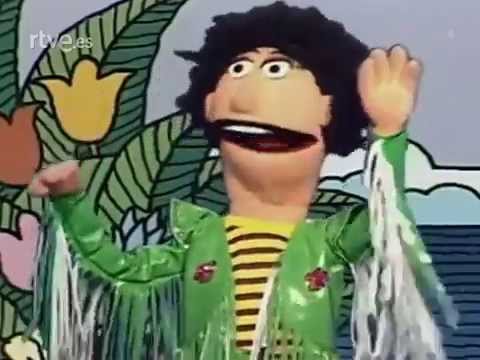
Sabadabadá was a popular Spanish children's television program broadcast by TVE from 1981 to 1984. Initially known as 'De 12 a 2' and 'De 11 a 1', the show changed its name to 'Dabadabadá' in 1982 when it moved to Thursday afternoons. Hosted by personalities such as Mayra Gómez Kemp and Torrebruno, it featured a mix of songs, sketches, contests, educational segments, and cartoons. The program was notable for its interaction with puppet characters like Horacio Pinchadiscos, a disc jockey, and Alejandro Millán's puppets, Fortunato and Aunt Josefina.
Context & Trivia
The children's program "Sabadabadá" (and its later incarnations as "De 12 a 2", "De 11 a 1", and "Dabadabadá") was notable for the inclusion of several puppet characters that interacted with the presenters and the audience. Among the most well-known was Horacio Pinchadiscos, a puppet disc jockey who presented a unique musical hit parade featuring puppets representing famous singers. Horacio Pinchadiscos was created by Alejandro Millán, who also built and performed other recurring puppets in the program, such as the wolf Fortunato and Aunt Josefina. These puppets, primarily hand puppets, were key elements that added a touch of fantasy and humor to the program's educational and entertainment content. Horacio Pinchadiscos' segment was particularly popular, featuring its own theme song and recreations of popular musical hits of the time. Alejandro Millán was also the creator of other puppets like Noki, who appeared in later programs.
Puppeteers
Alejandro Milán (lead); uncredited team
Voices
Pepe Carabias
Puppet design
Alejandro Millán
Puppet building
Alejandro Millán
Created by
José Antonio Plaza
Direction
José Antonio Plaza, Ramón Pradera
Writing
Fernando de Olid, Patricia Ayuso
Cast
Mayra Gómez Kemp, Rosa María Otero, Carmen Lázaro, Torrebruno, José Ramón Sánchez, Sonia Martínez
Do you know more about this work?
Are you credited on this page and want your name corrected or removed? Request it here — no justification needed. For copyright claims or factual errors, use the same form.
