Ventriloquist Figures
A ventriloquist figure is the dummy or puppet used by a ventriloquist to create the illusion that the voice comes from the character rather than the performer. The technique combines vocal performance, misdirection, mouth synchronization, and manipulation of the figure.
Ventriloquism does not literally involve "throwing" the voice. The effect depends on speaking with as little visible lip movement as possible, giving the character a different vocal quality, and directing the audience's attention towards the figure. Certain labial sounds are particularly difficult and are replaced through learned phonetic techniques.
Traditional figures, often made from wood or other rigid materials, have a movable jaw worked from an internal control. More complex models may move the eyes, eyelids, eyebrows, ears, or hair. A ventriloquist figure does not have to be rigid or mechanically elaborate, however. Performers also use glove puppets, mouth puppets, textile figures, and even a characterized bare hand.
The mouth movement must match the syllables and rhythm of the speech. The jaw usually opens with the sound and closes as it ends, rather than moving continuously without reference to the voice. Posture, silent reactions, and the contrast between what the ventriloquist says and what the figure appears to think all help build the character's personality.
Ventriloquism has precedents associated with religious and divinatory practices, but it became established as modern stage entertainment during the eighteenth and nineteenth centuries. It later found a large audience in music hall, vaudeville, radio, and television.
In summary: a ventriloquist figure comes to life through a distinct voice, almost motionless lips, and synchronized movement of the puppet.
Main source: World Encyclopedia of Puppetry Arts: Ventriloquism
16 titles

Jeff Dunham's Very Special Christmas Special
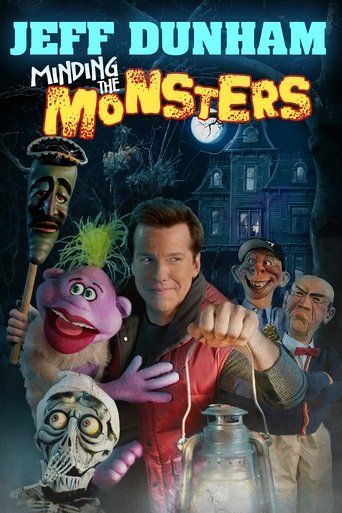
Jeff Dunham: Minding the Monsters

Nina Conti: Her Master's Voice
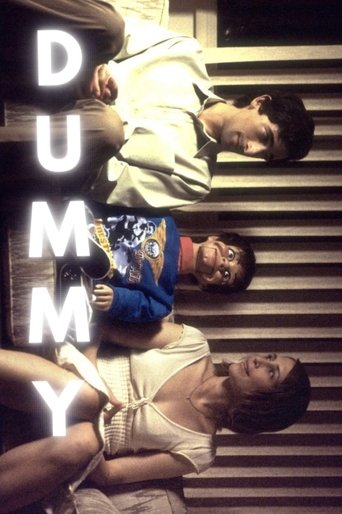
Dummy

Jeff Dunham: All Over the Map
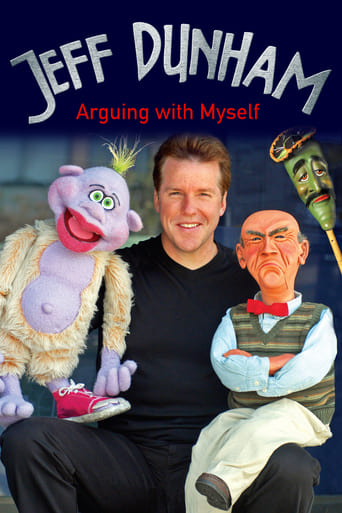
Jeff Dunham: Arguing with Myself

Jeff Dunham: Beside Himself

Jeff Dunham: Me the People

Jeff Dunham: Relative Disaster

Jeff Dunham: Talking Heads

Jeff Dunham: Unhinged in Hollywood
Magic
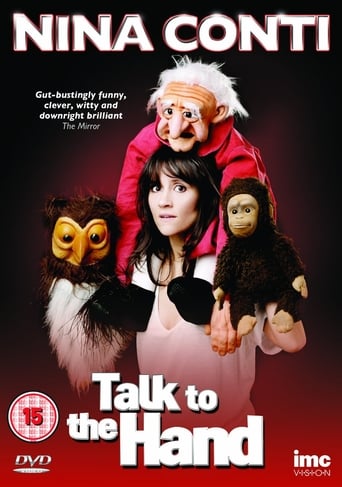
Nina Conti: Talk to the Hand
Her Master's Voice
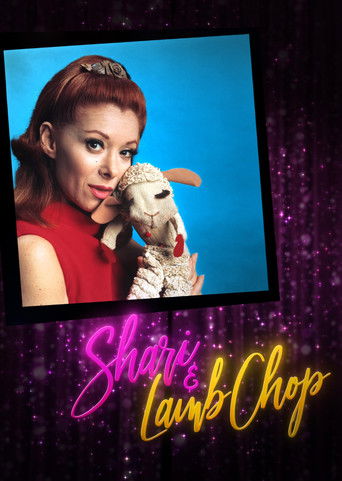
Shari & Lamb Chop

Dumbstruck
Other puppet techniques
Moving-mouth Puppets (131), Rod Puppets (47), Body Puppets (28), Marionettes (23), Animatronics (22), Glove Puppets (18), Bunraku-style Technique (3), Shadow Puppets (2), Finger Puppets (1)