Body Puppets
The term body puppet is used for figures with a large physical presence whose structure is directly related to the performer's body. It does not describe a single, universally standardized technique. Instead, it covers a family of approaches that may include wearable puppets, carried figures, full-body characters, and large puppets operated by one or more performers.
The puppeteer may be inside the figure, wear part of it, carry it on the body, or remain visible beside it. The performer's visibility alone does not define this category: direct-manipulation puppets, tabletop figures, and forms inspired by Bunraku may also have visible operators without necessarily being body puppets.
In a wearable figure, the performer's body may control the overall movement while internal or auxiliary mechanisms operate the mouth, eyes, ears, or hands. Large-scale figures often distribute their weight through harnesses, structural backpacks, poles, or support points. When several puppeteers work together, they need to agree on the centre of gravity, rhythm, and intention of every movement.
This family of puppets is common in street theatre, parades, immersive performances, events, and productions where the character's scale is central to the staging. It can combine physical acting, masks, costume, rod manipulation, and mechanical elements.
In summary: a body puppet integrates the figure with the performer's body or makes that physical presence a principal part of the manipulation system.
Background source: World Encyclopedia of Puppetry Arts: Manipulation
28 titles
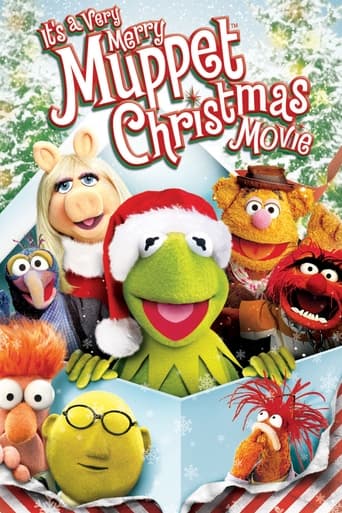
It's a Very Merry Muppet Christmas Movie (2002)
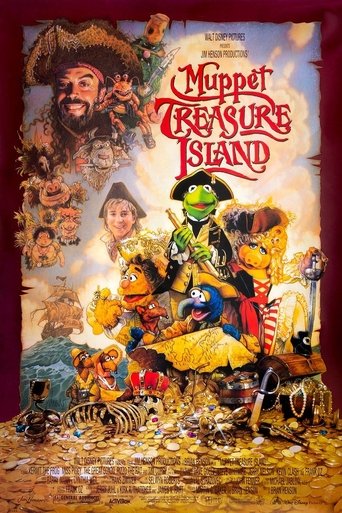
Muppet Treasure Island
Sesame Street
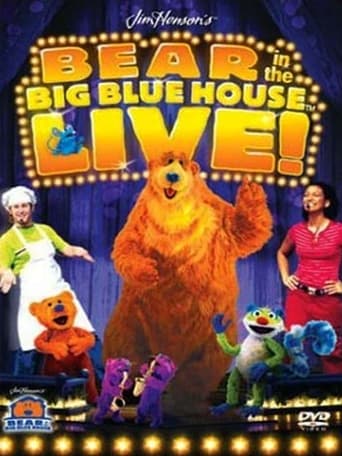
Bear in the Big Blue House LIVE! - Surprise Party
Dungo's Palace
Eureeka's Castle

Muppets from Space
Bear in the Big Blue House
Fraggle Rock
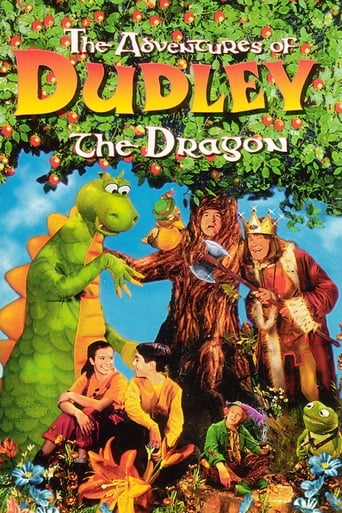
The Adventures of Dudley the Dragon
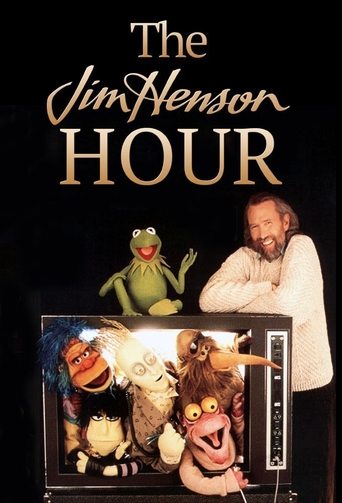
The Jim Henson Hour
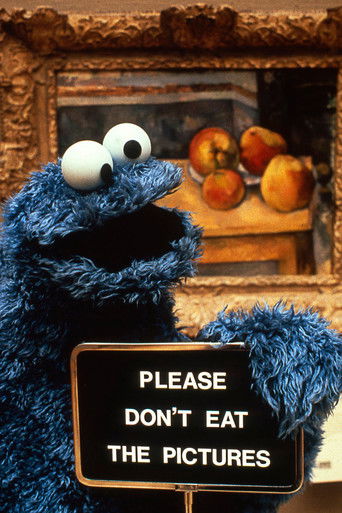
Don't Eat the Pictures: Sesame Street at the Metropolitan Museum of Art

Plus One
A Swingin' Sesame Street Celebration
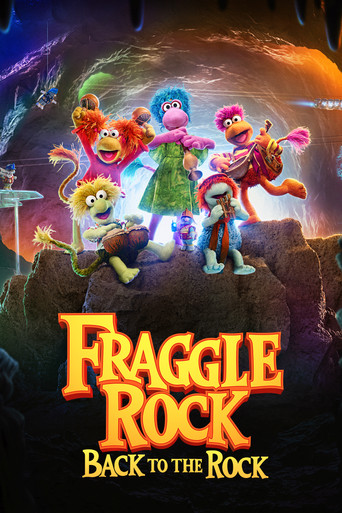
Fraggle Rock: Back to the Rock
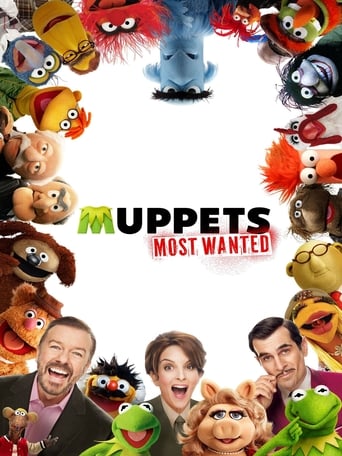
Muppets Most Wanted
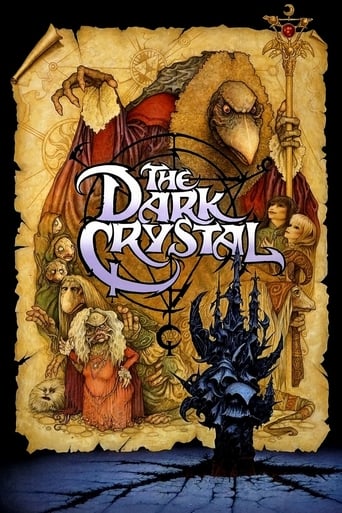
The Dark Crystal
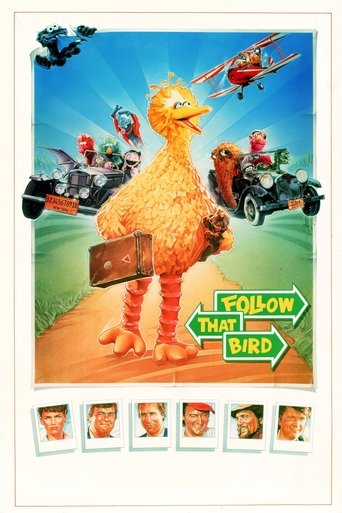
Sesame Street Presents: Follow That Bird

I Am Big Bird: The Caroll Spinney Story
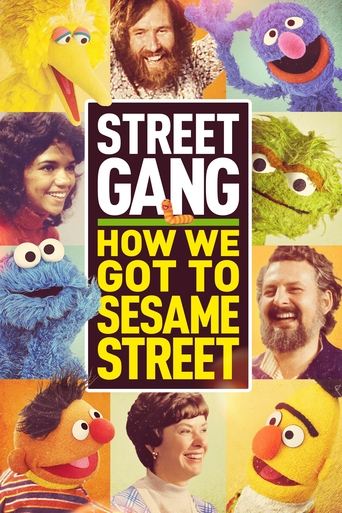
Street Gang: How We Got to Sesame Street
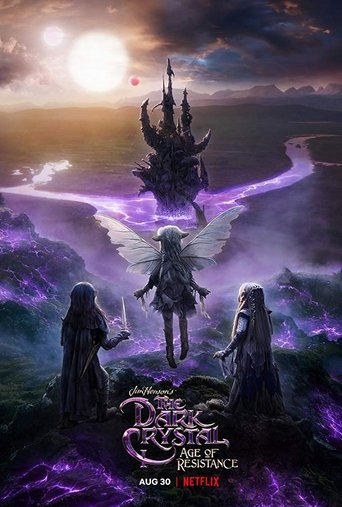
The Dark Crystal: Age of Resistance
The Crystal Calls: Making 'The Dark Crystal: Age of Resistance'
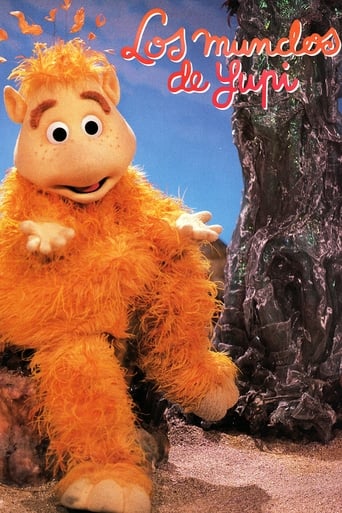
Yupi's Worlds
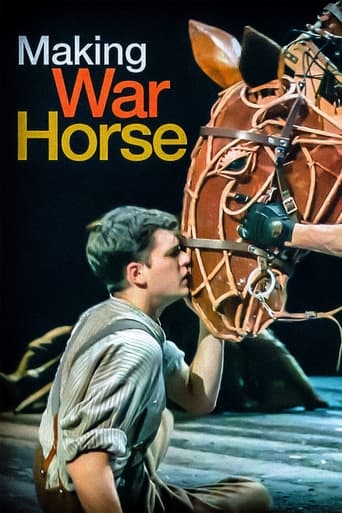
Making War Horse
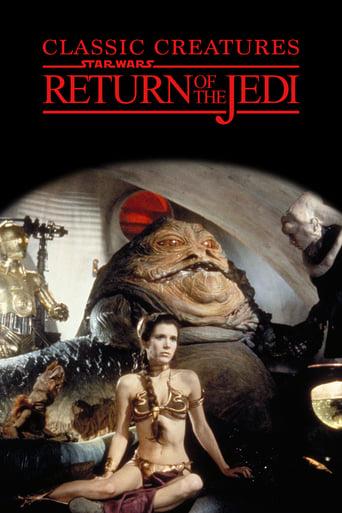
Classic Creatures: Return of the Jedi
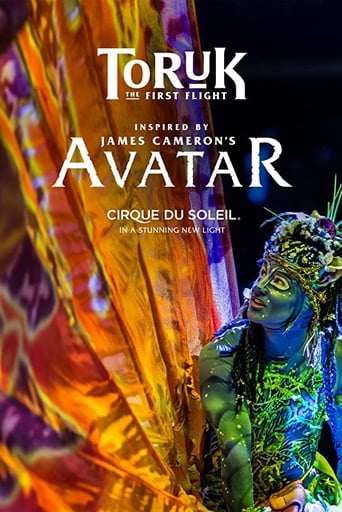
Toruk - The First Flight
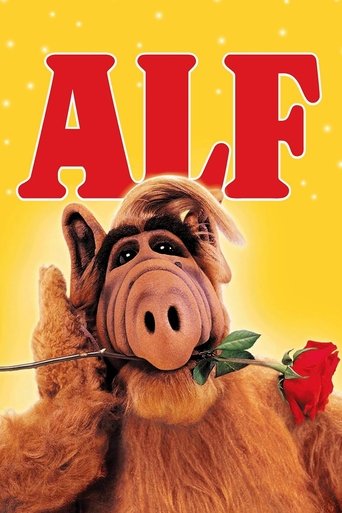
ALF
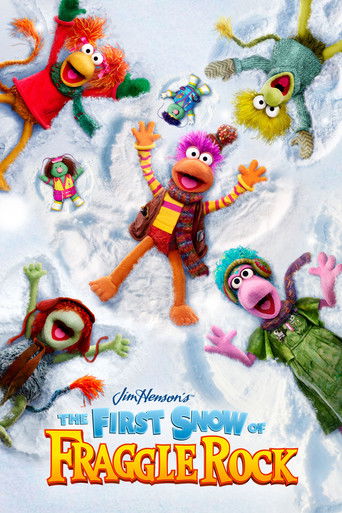
The First Snow of Fraggle Rock
Other puppet techniques
Moving-mouth Puppets (131), Rod Puppets (47), Marionettes (23), Animatronics (22), Glove Puppets (18), Ventriloquist Figures (16), Bunraku-style Technique (3), Shadow Puppets (2), Finger Puppets (1)