Marionettes
In the strict technical sense, a marionette is an articulated puppet operated from above by strings. The strings connect parts of the figure, such as the head, hands, shoulders, knees, or feet, to a device known as a control, cross, or controller.
The number and arrangement of the strings depend on the design and on the movements the puppet must perform. A simple figure may use only a few control points. Others have many strings and mechanisms for specific actions. More strings do not automatically produce better manipulation: they also add complexity, increase the risk of tangles, and demand finer control of the figure's weight and balance.
A marionette moves through gravity, string tension, and shifts of the control. The puppeteer does not simply pull each string in isolation. Tilting, turning, and lifting the control sends coordinated impulses through the whole figure. A convincing performance depends on the sense of weight, the contact of the feet with the ground, and the preparation of each action.
String-operated figures have a long history and appear in many cultures, but there is not enough evidence to establish a single place and date of origin. Some historical accounts connect the word marionette with small figures of the Virgin Mary in medieval Europe. The etymology and development of the term have several variants, however, and should not be mistaken for proof of where the technique itself began.
Marionette theatres became particularly prominent in Europe during the eighteenth and nineteenth centuries. Their repertoires included opera, melodrama, variety acts, satire, and transformation scenes. Marionettes are now used in theatre, film, television, installations, and street performances.
In summary: a string marionette is a suspended puppet operated from above by strings attached to a control.
Main source: World Encyclopedia of Puppetry Arts: String Puppet
23 titles
The Muppets on Puppets

Hurvínek on Stage
Labyrinth
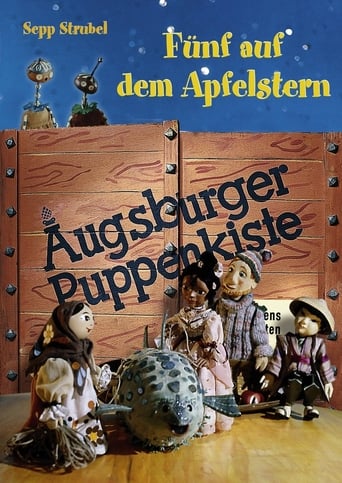
Fünf auf dem Apfelstern
Puppet Master: Axis Termination
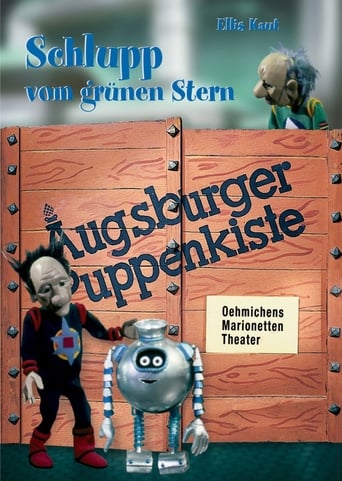
Schlupp vom grünen Stern
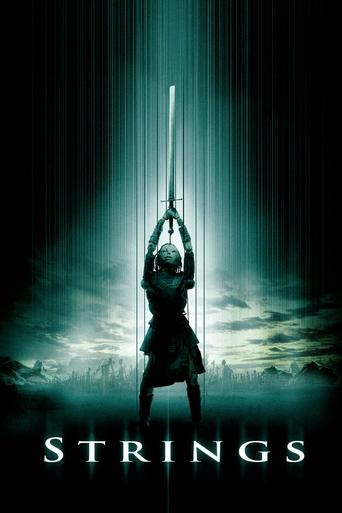
Strings

Thunderbirds Are GO

The Hollywood Puppet Show

Thunderbirds
Being John Malkovich
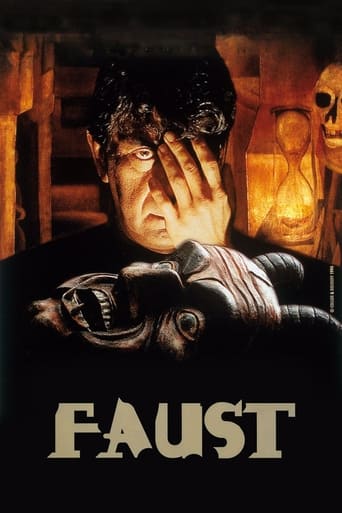
Faust

Judy & Punch
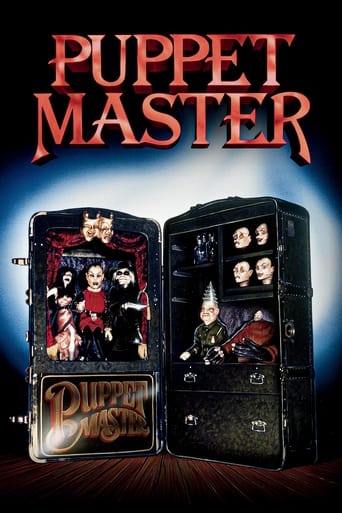
Puppetmaster

Star Fleet: The Thalian Space Wars

Team America: World Police

The Puppeteer
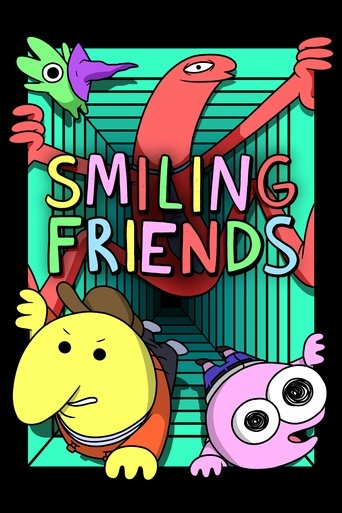
Smiling Friends (Puppet Version)

The New Howdy Doody Show
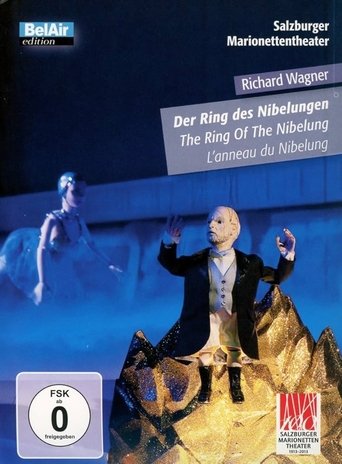
Der Ring des Nibelungen: Die Tetralogie an einem Abend mit Marionetten und Menschen
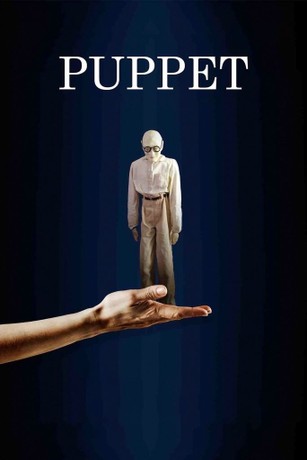
Puppet

El carretón del desierto
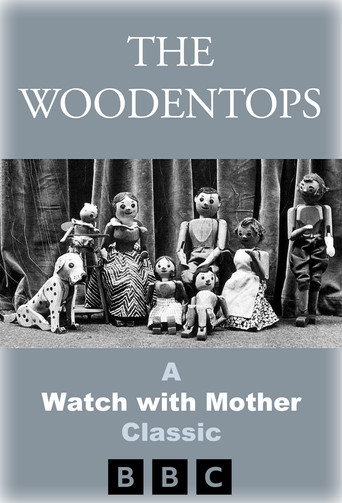
The Woodentops
Other puppet techniques
Moving-mouth Puppets (131), Rod Puppets (47), Body Puppets (28), Animatronics (22), Glove Puppets (18), Ventriloquist Figures (16), Bunraku-style Technique (3), Shadow Puppets (2), Finger Puppets (1)